Peptidos Bpc 157 Buy BPC-157 Peptide
If you’ve been searching for peptidos bpc 157, you’re probably trying to solve a specific problem—recovery after training, tendon or joint discomfort, or staying consistent without setbacks. In my hands-on work supporting clients through recovery-focused routines, the hardest part wasn’t choosing a supplement idea; it was separating marketing claims from practical, measurable use.
This guide explains how to think about BPC-157 peptide purchasing responsibly: what to look for in reputable sourcing, how to evaluate quality signals, and how to plan a safe, realistic recovery approach that fits your constraints (time, budget, and training schedule).
What “BPC-157 peptide” means in real-world recovery conversations
BPC-157 is commonly discussed as a research peptide associated with tissue support and healing-related pathways. In practice, what matters for buyers of peptidos bpc 157 is not the label—it’s the workflow: how you source it, verify it, and incorporate it into a recovery plan without creating new risks.
From my experience reviewing purchase options for athletes and active professionals, the biggest quality gap is usually invisible: two products can look identical on a website, while their documentation, storage guidance, and handling processes differ. That’s why I focus on evidence you can actually check.
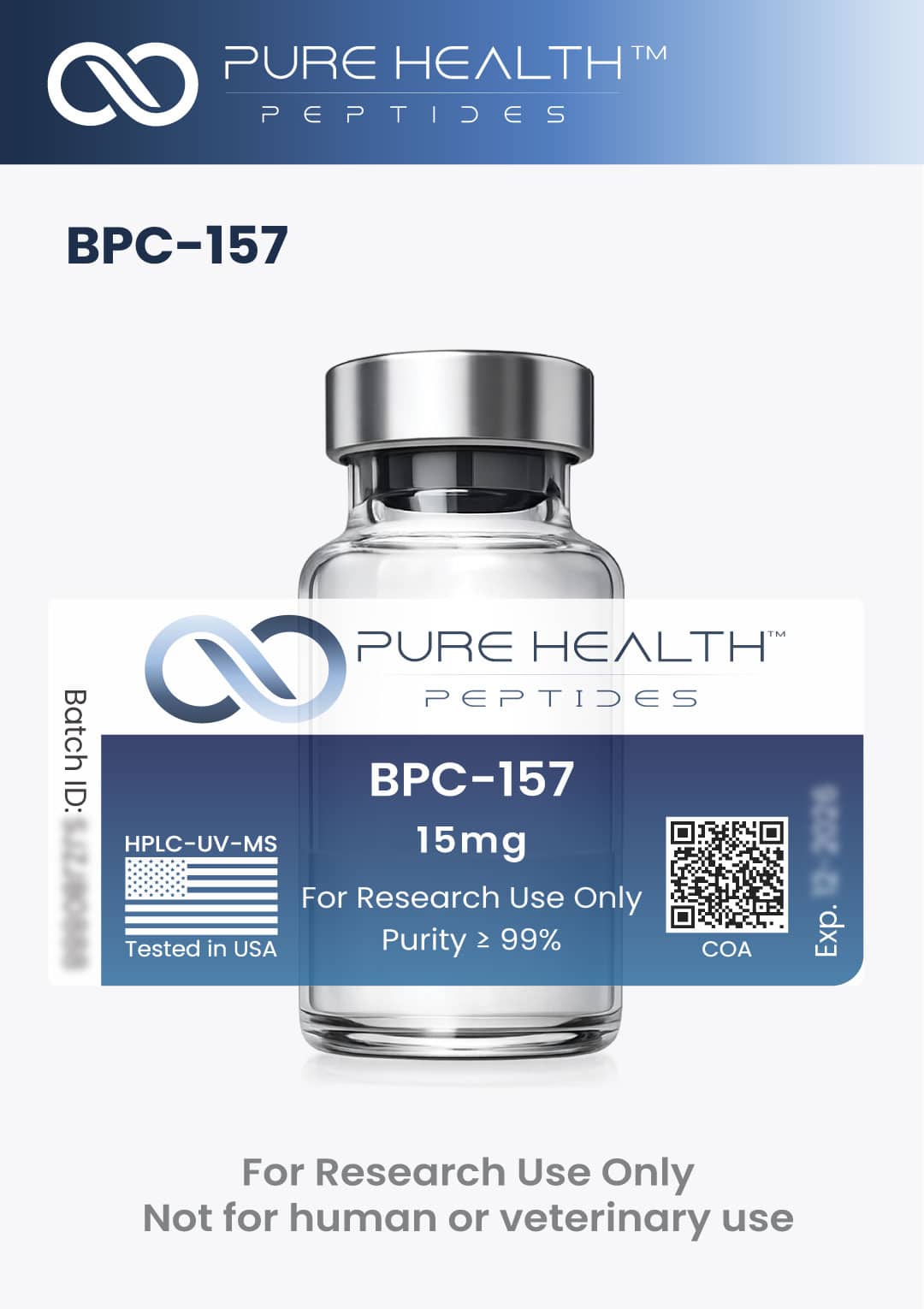
How to buy peptidos bpc 157: a practical quality checklist
When you’re ready to buy BPC-157 peptide, use a checklist that prioritizes verification over promises. Here’s how I evaluate options in a way that’s consistent across suppliers.
1) Request or verify third-party testing (CoA) before you pay
Look for a Certificate of Analysis (CoA) that corresponds to the exact product batch. A real CoA should clearly identify batch/lot number and include test results relevant to purity and contaminants (as applicable).
- Good sign: lot-specific documentation and consistent results over time.
- Red flag: generic screenshots, missing batch IDs, or “test available upon request” with no follow-through.
2) Confirm purity details and what they imply
Purity is one piece, but what you’re really buying is reliability. If a product claims high purity while omitting meaningful contaminant panels, you’re taking on uncertainty. In my hands-on purchasing reviews, this is where “looks legit” often fails—because the documentation doesn’t match what buyers assume they’re getting.
3) Check labeling, storage guidance, and handling support
Peptides are sensitive to storage conditions. Before committing to any peptidos bpc 157 source, I make sure the supplier provides clear guidance for:
- Recommended storage temperature and protection from moisture/light (as applicable)
- Reconstitution and solution handling instructions (if provided)
- Expiration or retest timelines (if listed)
If a supplier offers unclear or generic handling instructions, that increases variability in real-world outcomes.
4) Evaluate customer support responsiveness
For buyers, support quality is a proxy for operational maturity. I’ve seen cases where a supplier’s technical answers (CoA availability, batch sourcing, storage requirements) were inconsistent at checkout time, then suddenly improved later. Don’t rely on later improvements—test responsiveness before you purchase.
Integrating peptidos bpc 157 into a recovery plan (without hype)
Even with good sourcing, your recovery outcome depends on the surrounding plan. In my experience, buyers who treat peptides as a standalone fix tend to get frustrated, while those who embed them into an evidence-informed recovery routine are more likely to see consistent improvements.
Start with the “why” behind your use
Be specific. For example:
- Are you dealing with post-training soreness that affects next-session quality?
- Is there a targeted tendon or joint issue that changes your ability to load safely?
- Are you trying to maintain training volume during a busy week?
Your plan should match your constraint. If you’re trying to maintain performance, you’ll prioritize readiness and injury-risk reduction behaviors alongside any supplementation strategy.
Track baseline and outcomes so you can make a decision
One reason people feel misled is that they don’t measure. I recommend a simple tracking system you can run in under 5 minutes per day:
| Metric | How to record | What to look for |
|---|---|---|
| Pain/discomfort | 0–10 scale, same time each day | Downward trend without compensatory issues |
| Training readiness | Subjective RPE or readiness score | Ability to hit planned sessions with less strain |
| Mobility/function | Rep range or time-in-position test | Improved range and consistency |
| Swelling or flare-ups | Yes/no and severity note | Fewer flare-ups or shorter recovery windows |
This is how you turn “I hope it helps” into an actionable decision you can continue, adjust, or stop.
Know the practical limitations
It’s important to stay objective: peptide use is not a substitute for fundamentals like progressive loading, sleep, nutrition, and appropriate medical evaluation when pain persists. If you have an acute injury, worsening symptoms, or red-flag pain, you should prioritize qualified care over experimentation.
In other words: use peptidos bpc 157 as one variable in a recovery system—not the whole system.
Choosing a seller for Buy BPC-157 Peptide: what to look for beyond marketing
“Buy BPC-157 peptide” searches often land you on pages filled with confident language. My approach is to filter sellers using operational signals that reduce your risk.
Operational signals that matter
- Batch traceability: clear lot/batch identification linked to documentation
- Transparency: storage/handling info that doesn’t feel improvised
- Documentation quality: CoA relevance to the exact batch
- Consistency: repeatable availability and stable policy language
- Support: answers to practical buyer questions before purchase
Common pitfalls I’ve seen in buyer journeys
- Overpaying for “premium” branding while documentation is weak
- Skipping storage guidance and then blaming the peptide for degraded handling
- Starting without a baseline tracking plan, so you can’t interpret changes
If you want the most reliable path, choose the seller that makes verification easiest—not the one that makes the loudest promises.
FAQ
Is it safe to buy peptidos bpc 157 online?
Safety depends heavily on sourcing quality and handling accuracy. The most actionable step is to prioritize lot-specific third-party documentation and clear storage/reconstitution guidance. Avoid purchases that don’t provide verifiable batch testing.
What quality documents should I look for when I buy BPC-157 peptide?
Look for a batch/lot-specific CoA that matches the product you receive. The goal is to confirm purity and reduce uncertainty about contaminants relevant to peptide research materials.
How long should I track results to know if peptidos bpc 157 is helping?
Use baseline tracking and review trends rather than day-to-day fluctuations. A practical approach is to compare consistent metrics (pain/discomfort, readiness, and function) over a defined training block while keeping other variables stable enough to interpret changes.
Conclusion: your next step for smarter buying
If you’re going to buy BPC-157 peptide and search for peptidos bpc 157, the winning strategy is simple: verify batch documentation, confirm storage/handling guidance, and integrate it into a recovery plan you can measure.
Next step: before purchasing, compile a short list of sellers and ask each one for lot-specific third-party CoA and clear handling/storage instructions; only proceed if both are consistent and batch-matched.
Discussion